

A saree box serves as the beginning. Every Indian house has one steel box, maybe carved out of teak wood, kept beneath a bed or in some forgotten corner. In it lies the sarees, all folded with respect, as if they were holy scriptures. Sarees made of silk from weddings decades back. Cotton sarees which had been worn for offices that don’t even exist anymore.
The saree boxes have always remained closed, serving almost like an archive opened up only to be closed right back. But things are changing now. A generation brought up with Instagram influences, climate issues, and the desperate need to find their true selves is opening the saree boxes and never closing them again.
Gen Z has fallen in love with the pre-loved saree.
"My mother’s tissue silk saree has more stories than anything I could ever buy new. When I wear it, I feel like I'm wearing her strength." - Anika Sharma, 22, Delhi
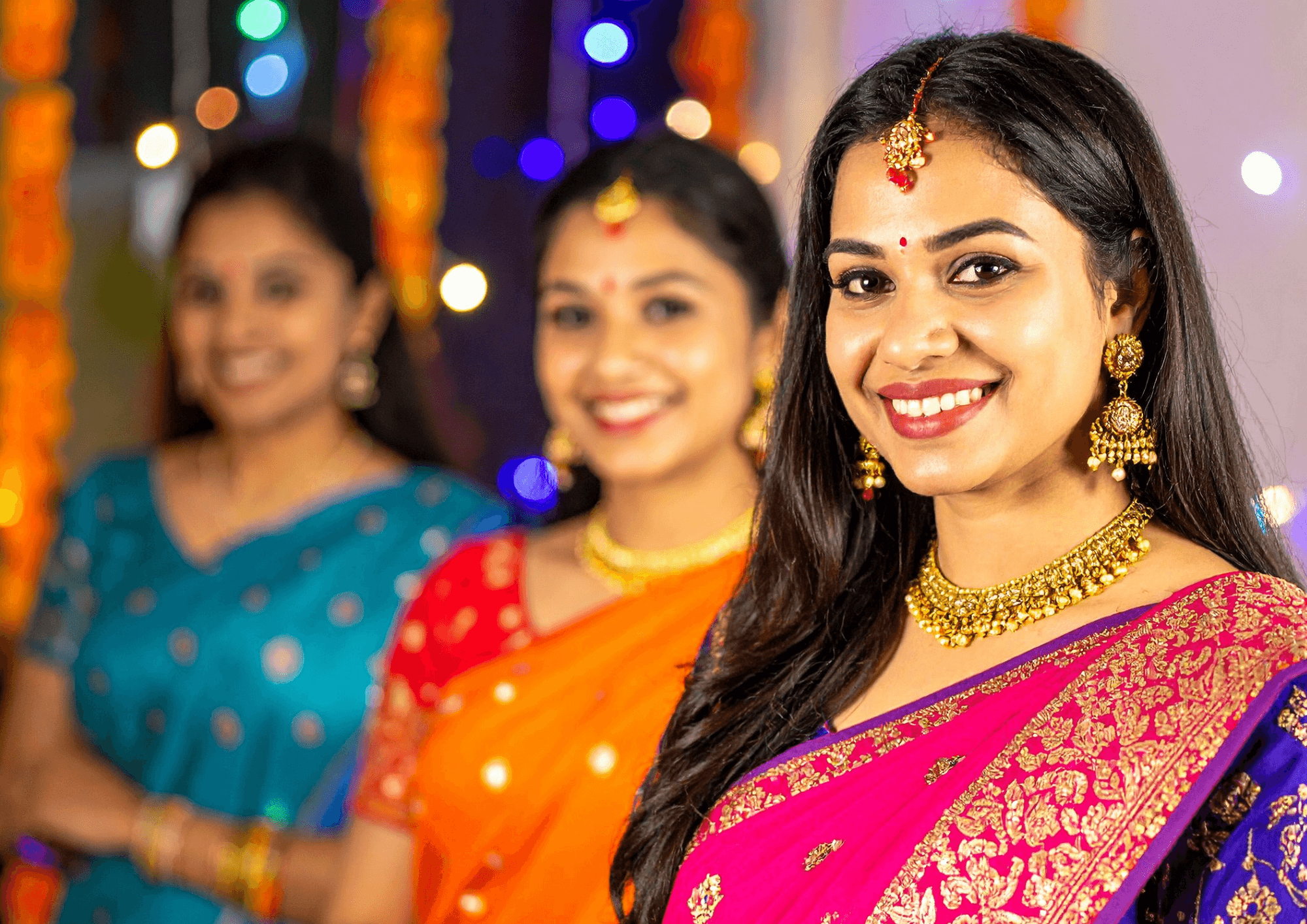
Sustainable Fashion in Six Yards
The statistics of the fast fashion industry are astounding, with the industry generating 92 million tonnes of textile waste annually, and synthetics taking centuries to break down. However, the saree, in its most traditional sense, is fashion's first circular product.
If a saree from a wedding ceremony in 1992 can be worn again to a graduation celebration in 2026 without much mending, it is because the material is unaware of the decade and only knows how to flow.
Generation Z, the first generation born with the visuals of global warming collapsing before their eyes knows this by heart. The moment social media influencers such as Dolly Singh and Komal Pandey began showcasing vintage silk drapes in their reels, it became clear that it was not a trend but a turning point. No more would a 40-year-old Paithani be considered 'old'. It is rare.
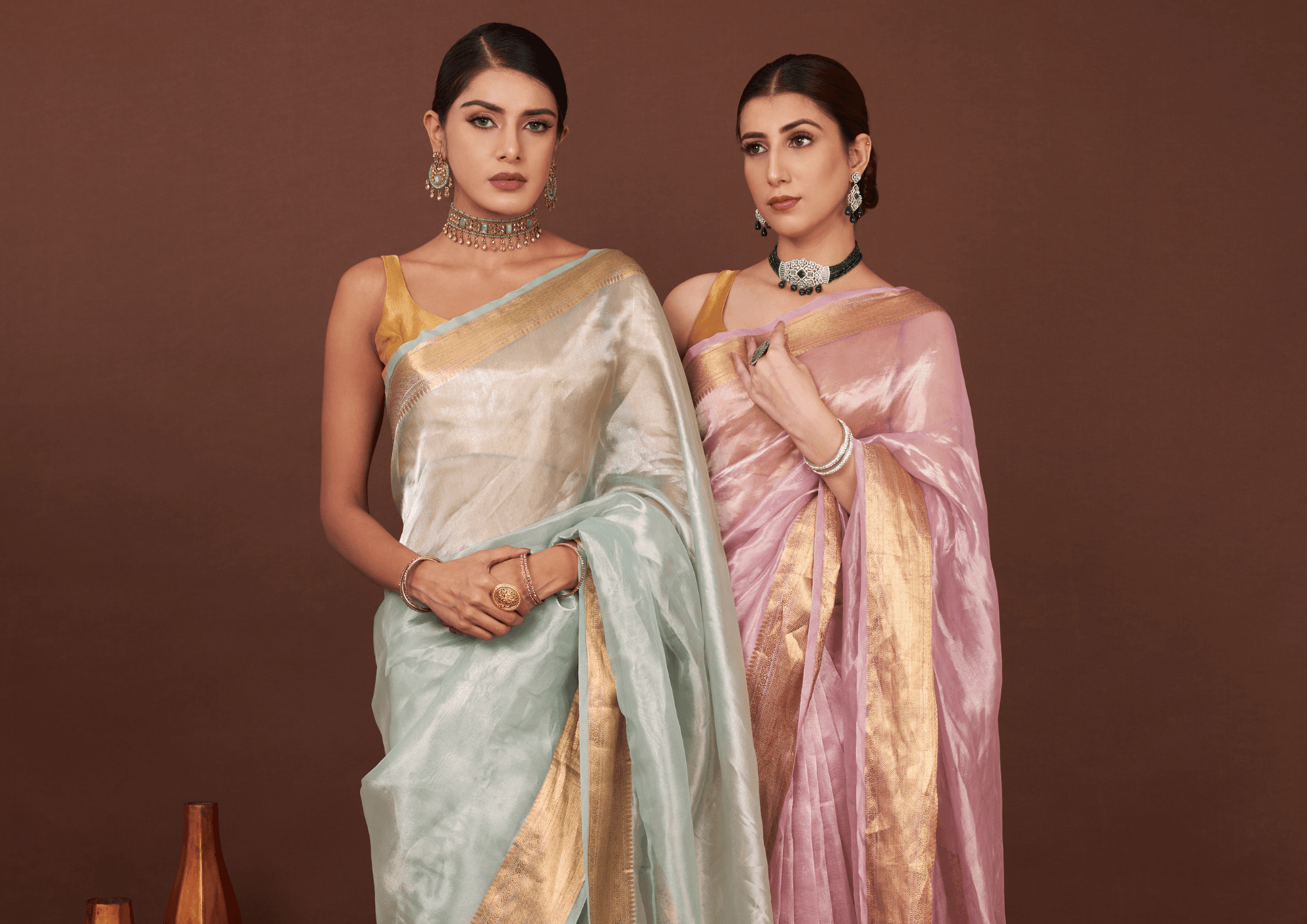
GenZ embracing Pre-loved Sarees in Modern form
There is another underlying aspect that should not be overlooked. Gen Z in India has to deal with an existential issue pertaining to cultural identity. Being the most globalized generation in the history of the nation, many young Indians have started experiencing this invisible force pulling them back to their roots.
The pre-loved saree fits just perfectly into this scheme of things. This is not your mother's saree (stiff, formal, sometimes demanded by your mother). It is your mother's saree, draped with sneakers, tucked into jeans as a skirt, worn in such ways that your drape expert will drop from shock, featured in reels receiving millions of views.
They are not museum-piecing the past. They are living in it.
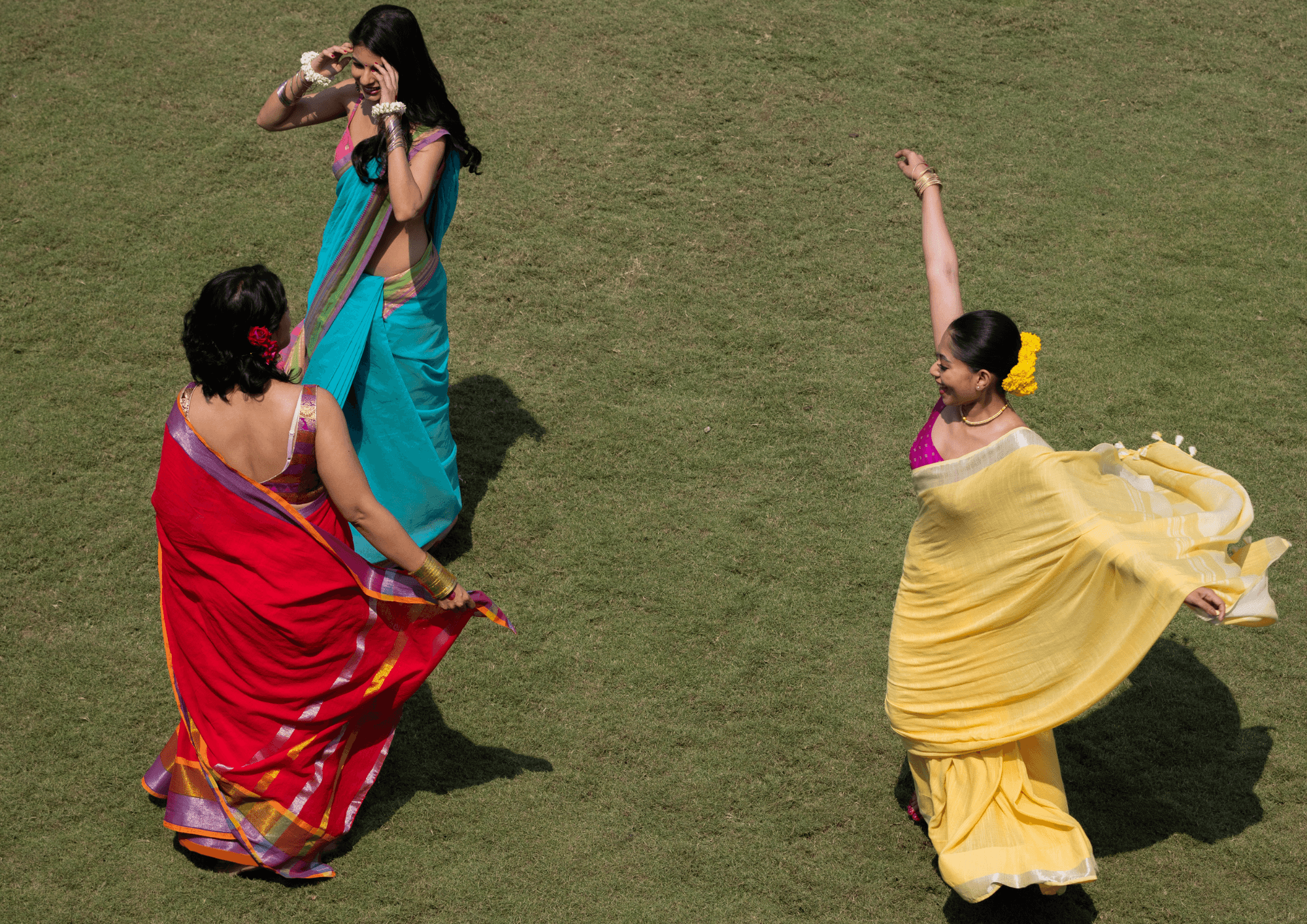
The Marketplace Awakens
There is culture, and then there is marketplace. And the marketplace of pre-loved sarees isn't a debate affair between relatives anymore. It is now curated, deliberate, and even digitized. GenZ doesn’t just shop; they seek. They want to know the story behind what they wear, the hands that wove it, the women who loved it first.
This is why UNNEU has become such an important site, since it is the exact place one would go to buy the preloved sarees brimming with past experience and histories worth loving all over again. Buying a pre-loved saree on UNNEU isn’t an art of thrift; it’s an act of conscience and continuity.
The system is onto it. The Pre-loved Saree Revolution is emerging over the internet with millions of views across Youtube and Instagram, with haul videos featuring heirloom silks outperforming the fast fashion content because something about a beautiful saree finding a new home feels like good news.
The Most Meaningful Mother's Day Gift
The fragrance sets can go; ditto for the flower deliveries. The most memorable gift that you could give to your mother who has been wearing her culture and love in six yards of fabric is more fabric. It's another story, and this time, an informed one.
From heirloom Paithani to rare block-printed cottons, Unneu makes it easy for Gen Z to find a saree that speaks to their mother's soul and their own values.
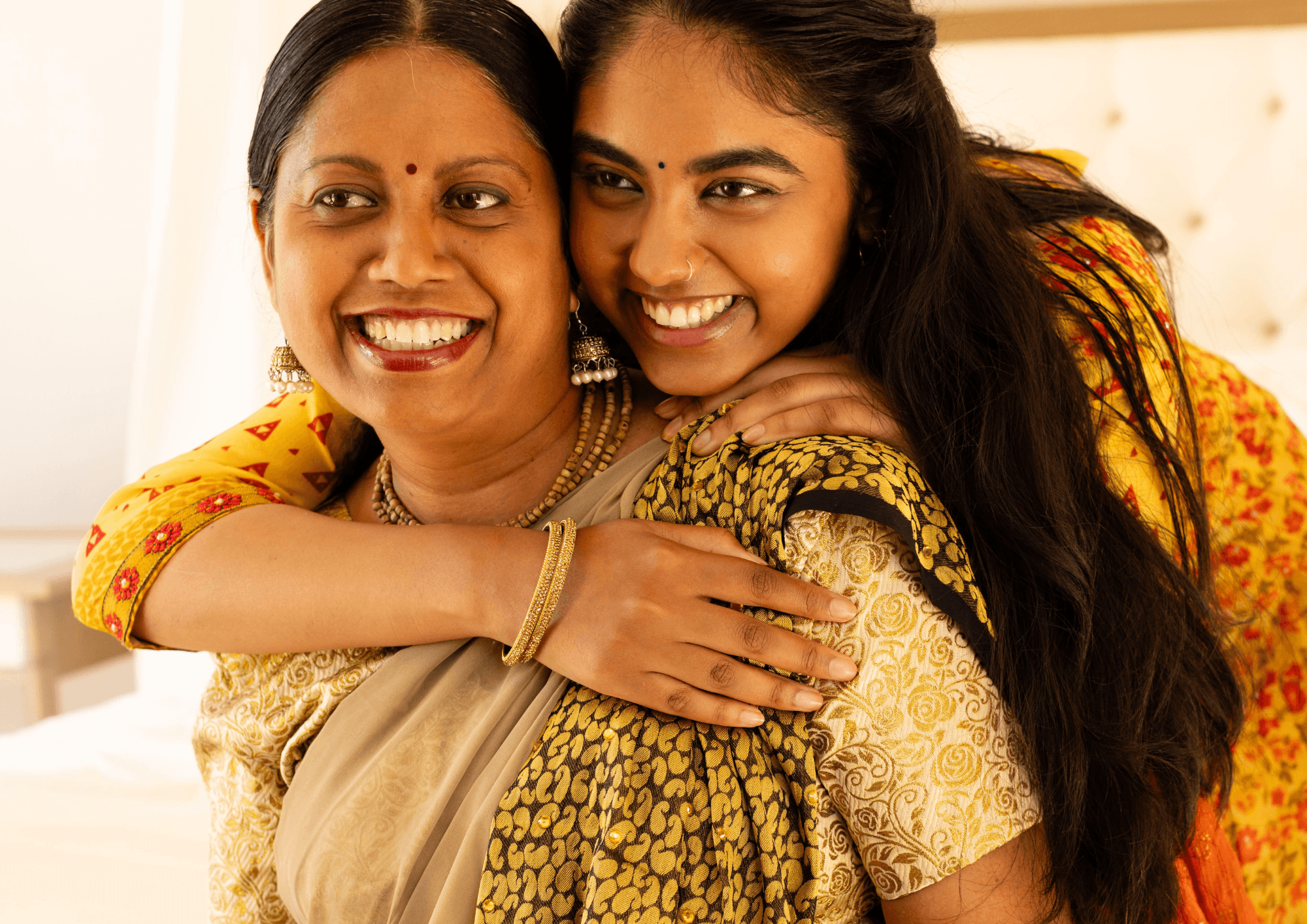
The pre-loved saree phenomenon is not about fashion at all. Rather, it is about remembering, being part of a line of women, and a revolt of an entire generation that will not allow beauty or beautiful women to become throwaway commodities.
Each pre-loved saree carries a message from one woman to another, through the ages. When the Gen Z girl dresses in a fabric that once draped her mother's frame, she makes a powerful statement: I see you. I embrace you. I will continue with you.
And that is far more important than any fashion cycle for the longevity of this cultural phenomenon. Heritage cannot be fabricated. Yet it can be worn and passed down gently, gratefully, gorgeously.
Because the best gifts are pre-loved and so are the best mothers.