

India at a Sustainability Crossroads
Consumer behavior is shifting from impulse buying to mindful choices due to increased awareness of financial and emotional consequences, a desire for more intentional shopping, and the influence of a more mindful influence trend.
India with its largest population of millennials and Gen- Z across the world drives a rapid transition from impulse to mindful buying. Up to 92% of Indians express concern about the environment, with two-thirds believing the planet is at risk. A 2024 Bain & Company survey found that nearly 80% of Indian consumers are “very” or “extremely” concerned about climate change and environmental sustainability, and 60% are willing to pay a premium for eco-friendly products.
Fashion is central to this paradigm shift because of its cultural visibility and significant ecological footprint. The perfect cultural symbol for this change is the preloved saree. As an inherently durable, multi-generational apparel, the saree embodies the core principles of circularity which is longevity, repair, and reuse; making it a powerful emblem for a sustainable and ethically-conscious future. The younger demographic represents the main demographic that selects businesses which align with their life choices and values. All demographics select quality and value above brand loyalty so they adjust their preferences accordingly.
According to PwC’s Voice of the Consumer Survey 2024, 60% of Indian consumers are willing to pay 13.1% more for sustainably sourced goods compared to conventional options. Sustainable marketplaces like Unneu that curate and promote rewear and reuse products help consumers make informed choices easily.
Key Drivers Shaping Indian Consumer Behavior
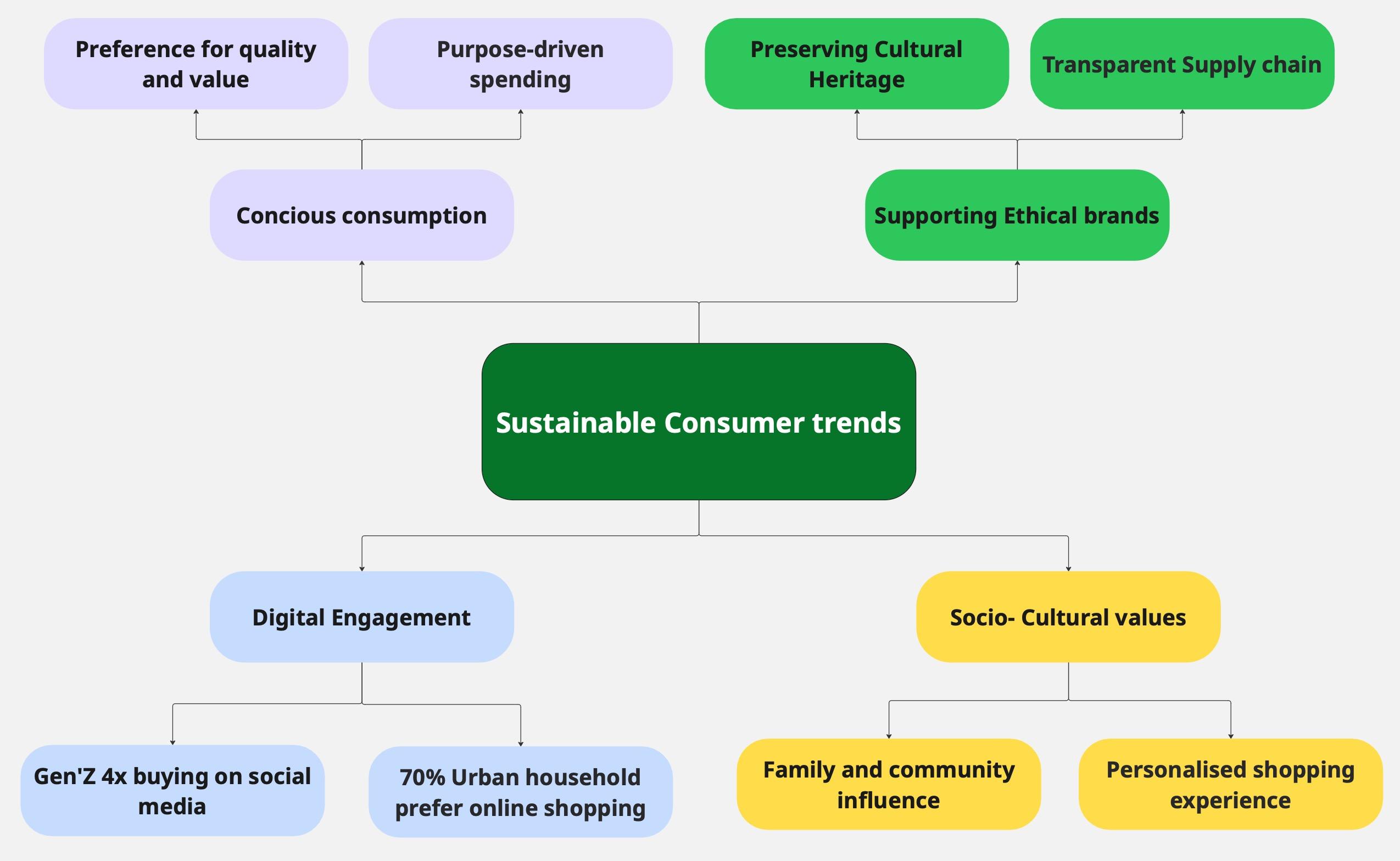
Indian consumer behavior is currently shaped by a confluence of cultural values, a deep commitment to sustainability, and the rise of re-commerce. Family and community values continue to influence product selection, as consumers seek products aligned with their personal beliefs with 72% participating in the circular economy (recycling, reusing, second-hand buying). 79% of Indian consumers will support businesses that clearly showcase their sustainability initiatives while 80% of consumers are willing to spend additional money on businesses that prioritize transparent supply chains. Source
The Rise of Intentional Spending: Choosing Fewer, Better
Conscious Consumerism is essentially buying with intention while making ethical, sustainable, and socially responsible purchasing decisions. This movement in India is driving a fundamental shift, moving consumers away from fast fashion and towards value-driven consumption. Source
This change is characterized by:
Choosing fewer, better, more meaningful products.
The rise of "purpose-driven spending" among Indian millennials and Gen Z.
About 70% of Indian buyers prioritize sustainability, and nearly 80% are willing to support ethical brands. Demand rises for eco-conscious fashion products empowering local artisans, preserving cultural heritage. This intentional spending empowers local communities and supports brands prioritizing sustainability as evidenced by the existence of platforms like Unneu, which connects consumers with ethically sourced products ensuring fair compensation and preservation of crafts.
India houses inherent Conscious Consumers
India is uniquely primed for conscious consumption, driven by an inherent culture of resourcefulness and value preservation. This foundation is built upon:
Historical Roots: Daily practices of reuse, repair, and recycling (Jugaad), and the traditional "Pehne-pehnaaye" (hand-me-down) culture.
Economic Realities: A focus on smart savings and durability reinforced by a thriving local repair culture.
Cultural Depth: An emotional connection to clothing, especially handloom and artisan goods, prioritizing quality craftsmanship and longevity over disposal.
This deep-seated value for heritage and quality is perfectly aligned with platforms like Unneu, which champion handloom sarees designed for lasting value and cultural significance.
Circular Fashion in India: The Sustainable Blueprint
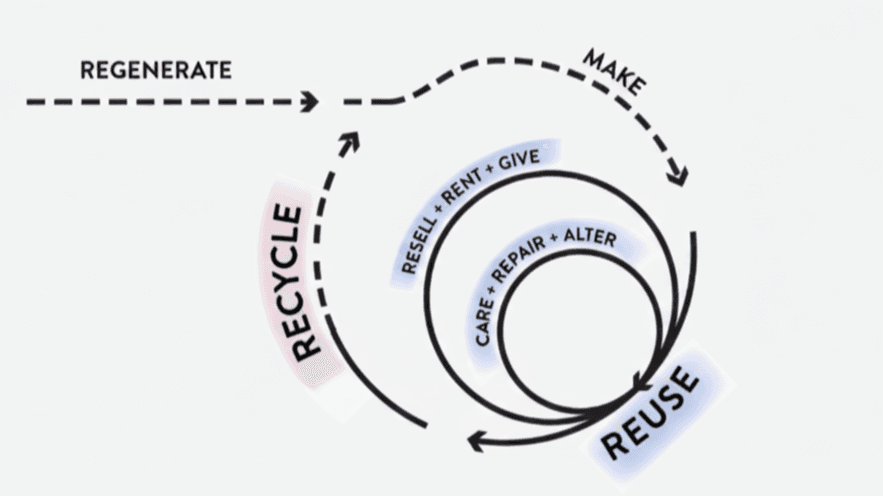
Circular fashion is a sustainable model for India's textile industry, replacing the linear "take-make-dispose" system with a closed loop of reuse, repair, and recycling.
It means designing for Longevity, Waste Reduction; minimizing landfill use via upcycling and repurposing old garments and textile waste, Consumer Engagement and promoting responsible consumption through swaps, renting, secondhand buying, and brand take-back programs. It’s important because it leads to a shift in consumption: Promotes intentional, mindful buying, moving away from constant consumption of disposable, fast-fashion items. Resource efficiency: Closes the material loop, keeping resources in use longer and reducing the need for new raw material extraction.
The core of circular fashion is the 4 R’s:
Reduce, Reuse, Recycle, and Regenerate, guiding a garment's lifecycle to minimize waste and resource use. Reduce targets minimizing resource consumption by prioritizing durable design, crucial given the high environmental cost.
Reuse encourages extending a garment's lifespan through swaps, rentals, and especially secondhand shopping, breathing new life into older items.
Recycling promotes converting discarded materials into new textiles, reducing reliance on virgin resources, while Regenerate focuses on practices that restore ecosystems using materials at the end of their life.
This framework is particularly relevant to India's most underutilized circular asset: the Saree. These garments, often high-value (₹3k to ₹50k+) with multi-generational durability and deep emotional significance, are frequently preserved but rarely worn, making them ideal for the Reuse principle.
Unneu directly addresses this by acting as a dedicated platform to facilitate the reuse and resale of these treasured sarees, transforming them from unused assets into active participants in the circular economy, thereby bringing the traditional Indian practice of passing down clothing into the modern digital age.
How Platforms Like Unneu Enable Circular Fashion
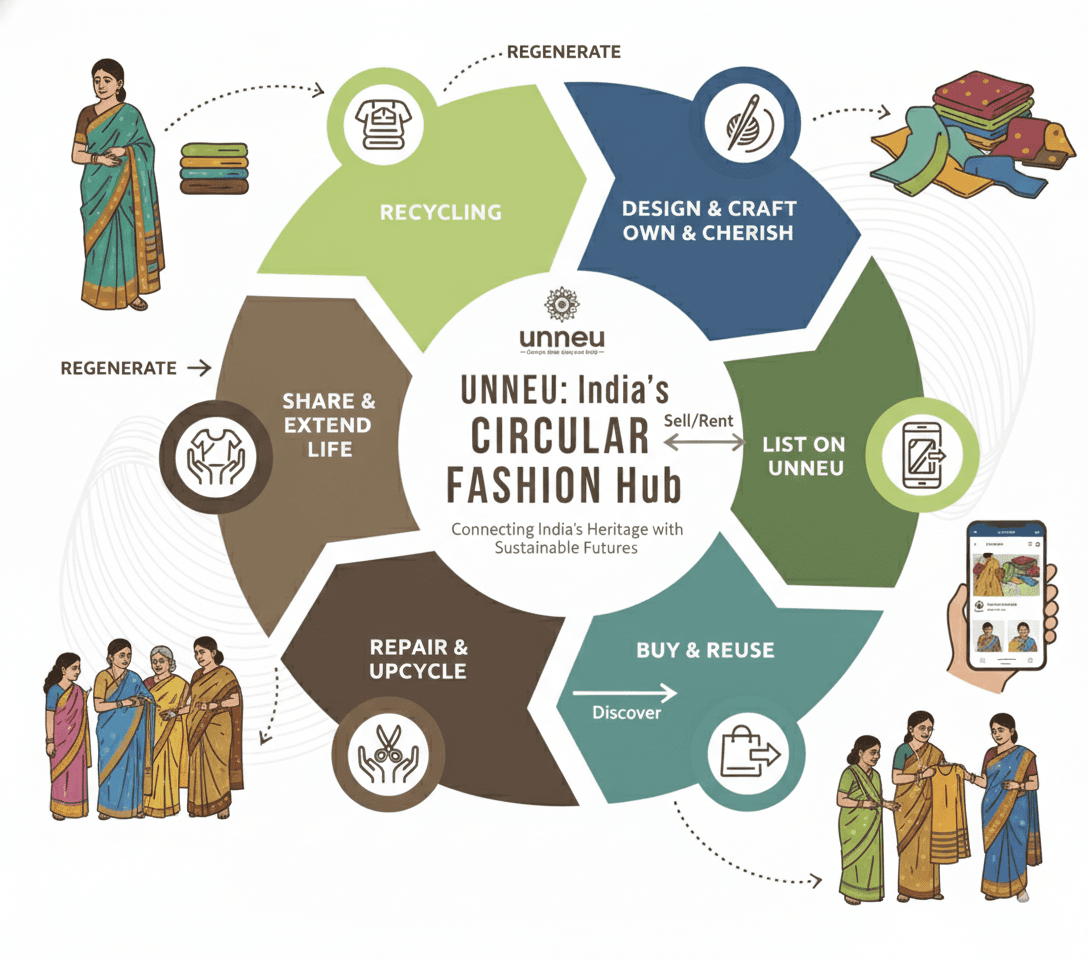
Platforms like Unneu make circular fashion practical and culturally intuitive by giving preloved sarees a trusted, digital marketplace. Real-time bargaining mirrors the traditional Indian buying experience, making online negotiation feel familiar and fair. With verified sellers, authenticated listings, and quality checks, buyers gain confidence, and transparency becomes the foundation of trust.
Unneu helps women earn back value from sarees they no longer use, turning dormant wardrobe pieces into real income. At the same time, buyers gain access to premium sarees at honest, negotiated prices, making sustainable choices both affordable and aspirational.
The impact is already visible: 100+ women empowered and 1,000+ sarees recirculated, reducing waste while strengthening financial and social inclusion.
The Future: Circular Fashion would be India’s Mainstream Movement
With deep cultural roots and long garment lifespans, sarees are poised to lead India into a large-scale circular fashion ecosystem, shaping a future where sustainability, culture, and smart economics go hand in hand.
Ready to participate in the future of ethical fashion? Join the thousands of women who are turning their treasured sarees into circulating assets and embrace a sustainable, profitable wardrobe today.