

Something quietly shifted in the way India shops. And that shift has a name now: UNNEU. It did not announce itself with a big campaign or a celebrity endorsement. It started in WhatsApp and Facebook groups, Instagram comment sections, and society building chats. Someone found a gorgeous piece at a fraction of its original price. Someone else asked where. And just like that, a movement was born.
Why Pre-loved Sarees? Why now?
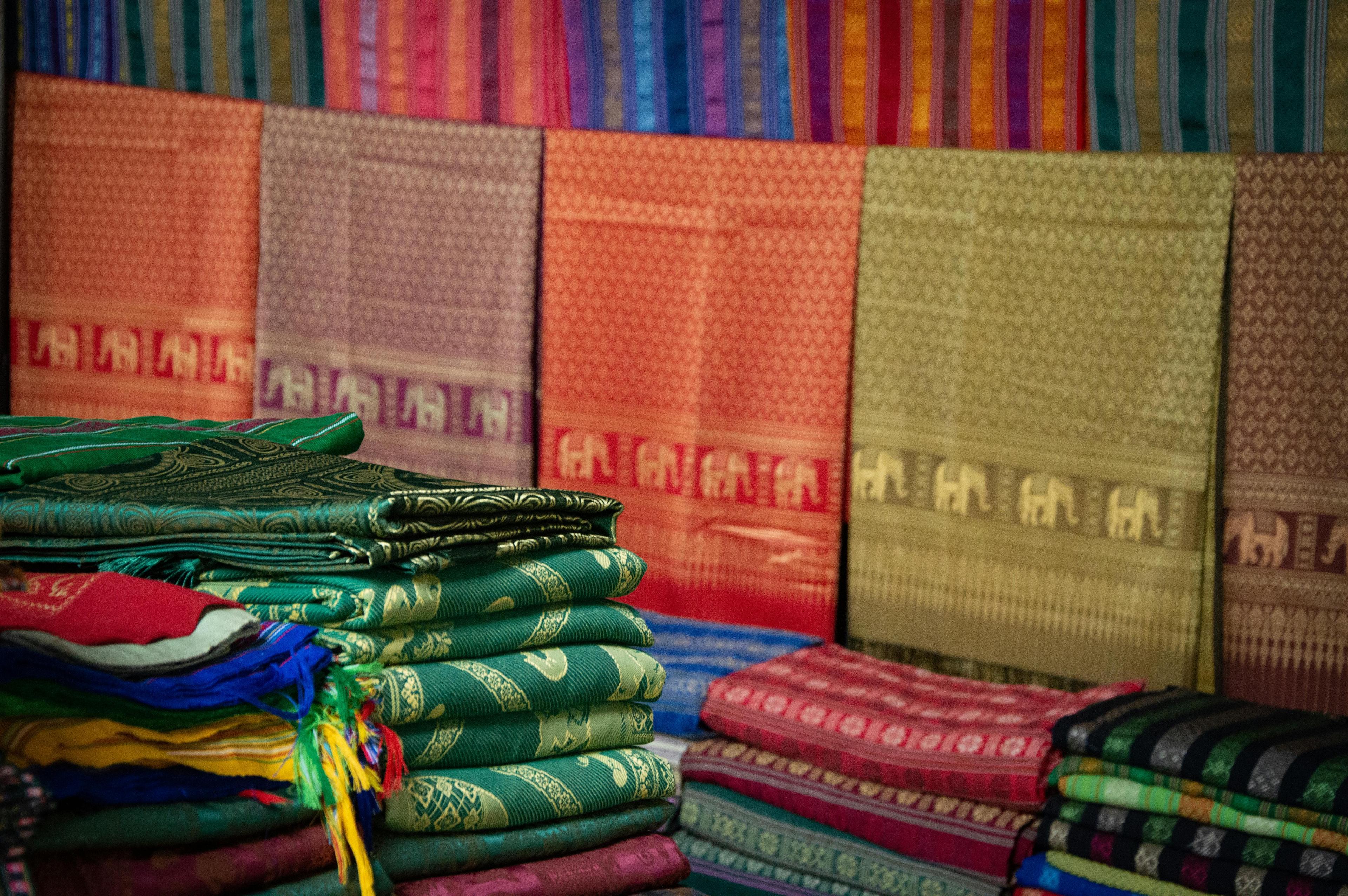
India is one of the world’s largest producers of handcrafted textiles, with centuries of tradition in weaving, embroidery and fabric arts. The cultural weight of a Saree in India is tied to occasion, identity and region and yet the average Indian wardrobe holds saree that are worn once, twice, and then never again.
At the same time, the market for preloved fashion in India is at an inflection point. Secondhand Apparel market revenue is anticipated to ascend from USD 53.7 billion in 2026 to USD 154.3 billion by 2036, registering a CGR of 11.1%. (Source: Future Market Insights Inc., 2026). Nearly 70% of Indian consumers now say they are open to buying second hand items, which is a shift that has happened dramatically fast. (Source: ThredUp Resale Report, India consumer survey, 2023 ).
For sarees, especially, the opportunity is even sharper. They are not disposable garments, rather investments in craft, occasion and identity. A Preloved Paithani is not a lesser Paithani. It is a rare one. UNNEU exists to honor that truth.
Why are Women choosing Preloved sarees?
Ask a woman why she bought a pre-owned saree and she will rarely lead with price. She will tell you about the weave. About a color combination that is no longer in production. About the satisfaction of owning something that carries a story that no one else at the party will be wearing.
Research on Indian consumer behavior confirms this: economic value matters, but so do what researchers call the emotional and experimental pleasure of discovery. For a growing segment of Indian women, pre-owned is considered an aspirational choice.
“Pre-loved is not a lesser version of new. For Sarees, it is often the better version."
There is also the environmental dimension. The fashion industry accounts for 10% of global carbon emissions (Source: IPCC Sixth Assessment Report, 2022). India has always had its own version of the circular economy. Sarees passed between sisters, handed down from mothers to daughters, repurposed from occasion to occasion. UNNEU is not importing a foreign concept, rather, organizing a practice India already knows and loves.
A New Kind of Indian Buyer is Emerging
The preloved buyer in India does not fit a single mold. She is not one kind of person. She is many.
There is the occasion-driven buyer who does not shop impulsively but will pause mid-scroll the moment something genuinely catches her eye. When she finds it at a price that makes sense, she moves quickly.
There is the vintage hunter who has been thrifting long before it was fashionable, combing through physical stores in search of pieces with character. For her, discovering a well-curated online platform feels like the physical thrift store she always wanted.
And there is the aspirational first-timer who has always wanted a Kanjeevaram silk or a designer piece but could never justify the full retail price. The preloved market makes that aspiration real. Platforms catering to premium resale report buyers regularly finding pieces priced at a fraction of their original value, sometimes 60 to 70 percent lower.
The Generation Z that will mainstream pre-loved sarees
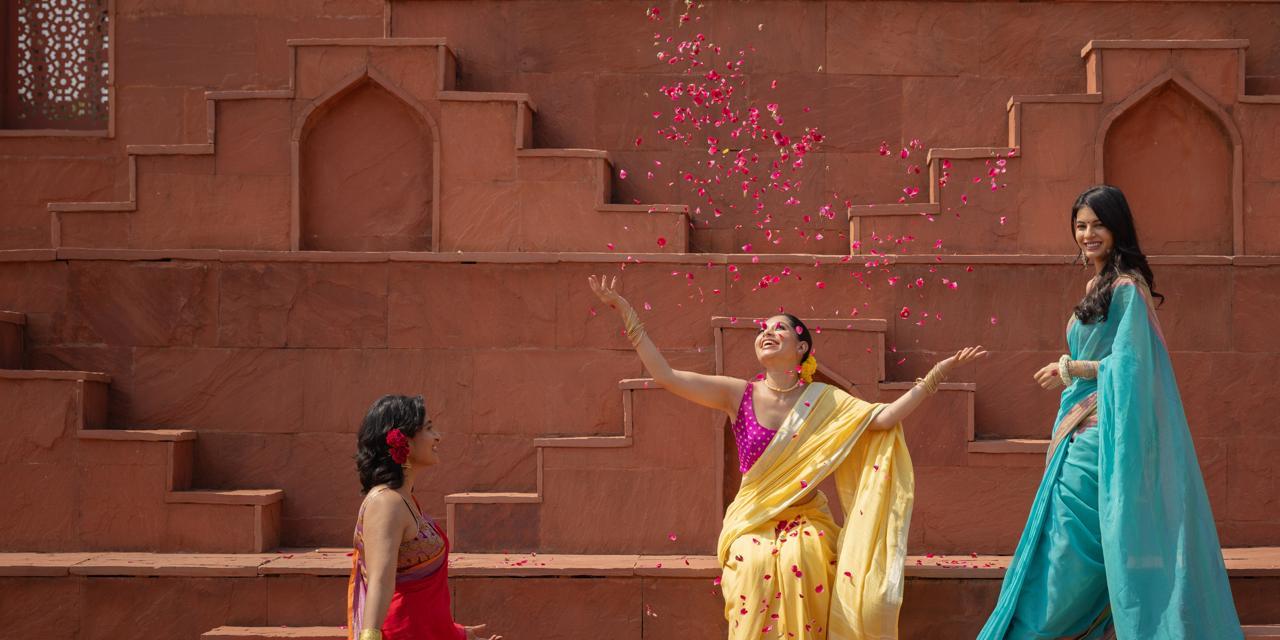
Gen Z is rewriting what it means to love a saree. Born between late 1990s and early 2010, this generation has grown up with climate anxiety, a deep scepticism of mass production and an aesthetic sensibility that price is the rare and the real over the generic and the new. For Gen Z, wearing a pre-loved saree is not acceptable. It is aspirational. It signals taste, intentionality, and cultural pride that is a refusal to outsource identity to a fast fashion algorithm.
UNNEU is built not just for millennials, but also for this generation because the women who will normalize pre-loved sarees in India are already scrolling.
She decides the price, and she knows what being fair looks like
UNNEU’s peer to peer model puts pricing power where it belongs: with the women selling their sarees. Sellers said prices based on what their saree is worth to them. Buyers decide what it is worth to them. The market finds its truth. And when that transaction happens with clarity and trust on both sides, it is not just commerce. It is a handshake between women.
Gap Between Trust, Promise and Experience
For four years, the biggest barrier to buying pre-loved sarees in India was not price or availability. It was trust. Who is selling this? Is the condition accurately described? What colour looks different in person? What about hidden damage to the wave?
That wall is eroding and the community is doing most of the work. But the gap between promise and experience remains real across the broader market. UNNEU is closing that gap by design. A platform that feels personal because it is built by women for women and the foundation of India has always understood: that trust once earned becomes loyalty.
The Story is Just Beginning
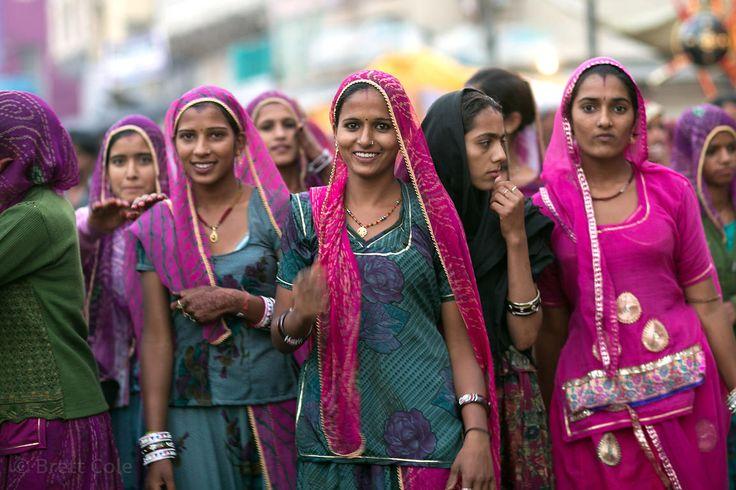
What UNNEU is building in India is not a trend in the way trends usually work, loud for a season and then gone. It is a structural shift in how Indian women relate to their sarees: not as possessions to be kept or discarded, but as things to be loved, shared and fast forward.
Every Saree on UNNEU has already been loved once. The woman selling it chose it carefully, wore it on occasion that mattered, and cared for it well enough that someone else can love it. That is not a lesser transaction. That is a richer one. She is listing her Banarasi, writing a description that does it justice, hoping the right women find it. Somewhere else, another woman is searching for exactly that piece, and she does not know yet that she is about to find it.
UNNEU exists for that moment, and that moment is already happening.
Sources: IMARC Group: India Used Apparel market report 2024; ThredUp Resale report, India consumer survey 2023; IPCC sixth assessment report (fashion industry emissions, 2022).